
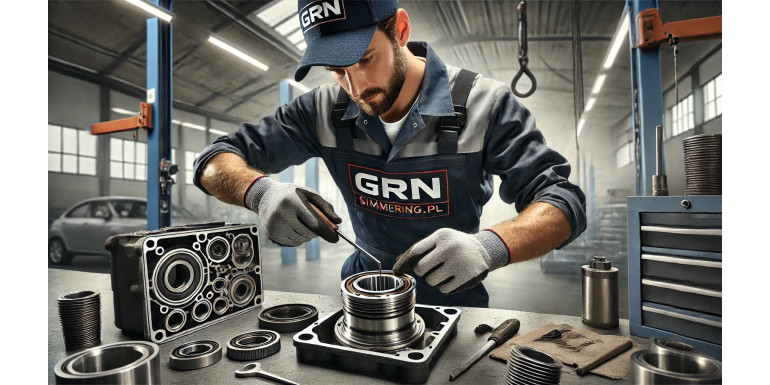
Comprehensive Guide: Proper Maintenance and Replacement of Simmering Seals
Simmering seals, also known as radial shaft seals, are vital components in machinery, ensuring the containment of lubricants and the exclusion of contaminants. Proper maintenance and timely replacement of these seals are essential to prevent equipment failures and ensure optimal performance.
Understanding Simmering Seals
Simmering seals are designed to fit around a rotating shaft, preventing the leakage of lubricants and blocking the ingress of dust, dirt, and other contaminants. They are commonly used in various industrial and automotive applications, including gearboxes, engines, and wheel hubs.
Signs of Worn or Damaged Seals
Regular inspection of simmering seals can help identify wear or damage early. Look for the following indicators:
- Leakage: Visible signs of oil or lubricant escaping from the seal area.
- Contamination: Presence of dirt or debris around the seal, indicating possible ingress.
- Noise: Unusual sounds emanating from the machinery, suggesting seal failure.
- Vibration: Increased vibration during operation, potentially due to seal deterioration.
Steps for Replacing Simmering Seals
-
Preparation:
- Safety First: Ensure the machinery is powered down and properly secured.
- Gather Tools: Prepare necessary tools such as seal pullers, appropriate wrenches, and cleaning materials.
-
Removal of the Old Seal:
- Access the Seal: Disassemble components as needed to reach the seal.
- Extract the Seal: Use a seal puller to carefully remove the old seal, avoiding damage to surrounding parts.
-
Installation of the New Seal:
- Clean the Area: Thoroughly clean the sealing surface to remove any debris or residue.
- Position the New Seal: Align the new seal correctly, ensuring it matches the specifications of the old one.
- Press into Place: Gently press the seal into its housing using an appropriate tool, ensuring it sits evenly and securely.
-
Reassembly and Testing:
- Reassemble Components: Put back any parts that were removed to access the seal.
- Test the Machinery: Power up the equipment and observe for any signs of leakage or irregular operation.
Best Practices for Seal Maintenance
- Regular Inspections: Schedule periodic checks to detect early signs of wear or damage.
- Proper Lubrication: Use the recommended lubricants to reduce friction and wear.
- Environmental Control: Keep the operating environment clean to minimize contaminant exposure.
- Timely Replacements: Replace seals at the first sign of deterioration to prevent further damage.
Frequently Asked Questions (FAQ)
-
How often should simmering seals be inspected?
- It's advisable to inspect seals during regular maintenance intervals or at least every six months.
-
Can I replace a simmering seal myself?
- If you have the necessary technical skills and tools, you can replace the seal. However, for complex machinery, it's recommended to consult a professional.
-
What causes simmering seals to fail?
- Common causes include improper installation, contamination, excessive shaft vibration, and using incompatible lubricants.
-
How do I choose the right replacement seal?
- Match the new seal's dimensions and material specifications to the original. Consult the machinery's manual or a specialist if unsure.
-
What materials are simmering seals made from?
- Common materials include Nitrile Rubber (NBR), Fluoroelastomer (FKM), and Silicone, each suited for different operating conditions.
Keywords: Simmering seal maintenance, radial shaft seal replacement, machinery oil seal care, industrial seal upkeep, automotive seal maintenance.
By adhering to proper maintenance practices and promptly addressing any issues, you can extend the lifespan of your simmering seals and ensure the reliable operation of your machinery.


Leave a Reply Cancel Reply